
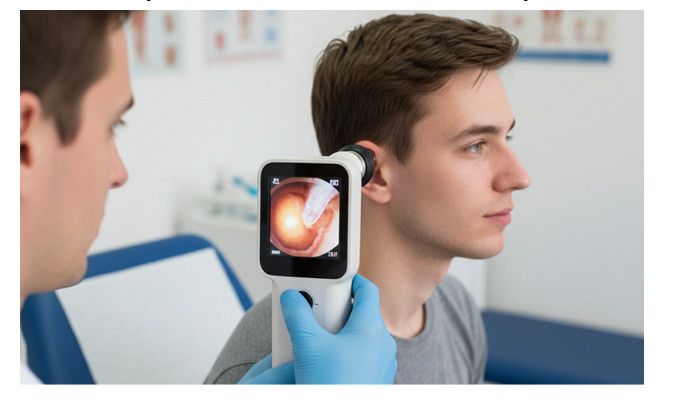
Maintaining good hearing health is essential for general well-being. Despite this, it is frequently disregarded in standard medical examinations. Yes, they rarely call for notice. Healthy ears subtly promote balance, concentration, comfort, and everyday speech. Have you ever faced unexpected hearing loss or slight ear pain?
Have you ever wondered what might be happening inside your ear? Well, this is when a medical-grade otoscope comes in. An otoscope is a tiny medical tool and is used in emergency rooms and ENT clinics. It inspects and diagnoses ear disorders, and this is when you need to get it done.
Understanding the Importance of Otoscopy for Ear Health
Before you know when to do an otoscope exam, it is important to understand its importance. This is because the ear is a complicated organ that controls both hearing and balance. It can develop a variety of diseases, ranging from straightforward blockages to intricate infections. This is where an otoscope comes in, and here is why it matters:
- Prompt Identification of Hearing Issues
Many hearing disorders start as simple ear ailments that, if caught early, are easily treatable. Frequent otoscopic examinations can detect several problems. This includes eardrum deterioration, blockages, or infections. An otoscope, if neglected, may cause irreversible hearing loss.
- Helps Prevent Difficulties
If ear infections or wax accumulation are left untreated, it can lead to several issues. This includes tinnitus (ear ringing), chronic pain, or irreversible hearing loss. However, these issues can be avoided with routine digital otoscope examinations.
- Aids in Precise Diagnosis
With otoscopy, ENT specialists and audiologists may see the ear canal and eardrum up close. This enables precise diagnosis and individualised treatment regimens. Early diagnosis, as a result, prevents the problem from growing.
- Facilitates the Fitting of Hearing Aids
Before placing hearing aids, audiologists do an otoscopy to make sure the ear canal is clear and healthy. This is when otoscopy comes in to address any wax or infection, before fitting the device.
When Do You Need an Otoscope Exam?
For care and prevention, people need to be aware of the exact diagnostic timing. Wondering when you need a medical-grade otoscope examination done? Well, here are some signs and symptoms that indicate:
- Persistent ear pain
- Unexplained hearing loss
- Discharge or drainage from the ear canal
- A fullness or pressure sensation
- Ringing tinnitus
- Balance issues
- Throbbing, dull or severe discomfort in the ear
- Acute otalgia
- Substantial conductive
- Visible pus
- Blood discharge
- Vertigo or dizziness
An otoscope is the first line of treatment when a patient complains of such issues. The otoscope examines the physical pathway of sound, whereas audiometry assesses hearing function. From cerumen impaction to visible pus, everything was discovered during these examinations.
Using an ear inspection tool, the otoscope is also necessary for discharge and structural abnormalities. These symptoms frequently point to several underlying conditions. This includes otitis media, foreign body obstructions, or eardrum perforation, which need visual confirmation for diagnosis.
While some are normal, others call for an urgent examination. For instance, ear drainage, or otorrhea, can vary in consistency from clear liquid to viscous, foul-smelling pus. Therefore, to examine your ears thoroughly, you need an otoscope examination.
How Does an Otoscopy Get Done?
Otoscopy is a procedure carried out to diagnose ear disorders. The medical practitioner carefully places the ear inspection tool into the ear canal during the process. The procedure entails:
- Preparation: The examiner explains the process while the patient is comfortably seated.
- Examination: The examiner examines the ear canal and eardrum using the magnifying lens. In this process, the ear inspection tool is gently inserted into the ear canal.
- Observation: The examiner looks for any anomalies, blockages, or indications of infection.
- Documentation and recommendation: The results are recorded and discussed with the patient by the healthcare provider. They might suggest additional testing or therapy if any problems are discovered.
The digital otoscope process is short, painless and done to identify eardrum problems, infections, wax accumulation, and other diseases.
What are the Benefits of Regular Otoscopy?
Maintaining ear health can be greatly aided by routine medical-grade otoscope examinations. Through these examinations, medical professionals can identify minor problems beforehand. As a result, it prevents it from becoming more serious disorders like infections or damage to the eardrum.
It is recommended that people get their ears checked regularly. This includes before lengthy flights, during peak seasons, or as part of a regular hearing exam. Regular otoscopy can identify discomfort early, especially if you use ear protection every day or work in noisy environments.
Other factors like age, lifestyle, and seasons also affect your ear health. Daily hearing can be made simpler with a brief otoscopic examination every so often. The top benefits of doing so are:
- Prompt action: Detecting wax early can avoid abrupt hearing loss before a flight or meeting.
- Safer cleaning: Tailored advice keeps you away from dangerous devices and cotton buds.
- Smarter referrals: Where necessary, visits are accelerated by concise notes and images.
- Improved device comfort: Canal observations guide the selection of tips, vents, and tubing for hearing aids. Clear canals prevent measuring errors, resulting in more accurate tests.
- Peace of mind: Concern is frequently reduced when an eardrum is shown to be healthy. If you are investigating an online hearing test at home, keep in mind that using an ear inspection tool provides a more accurate answer.
Overall, regular or frequent ear inspection offers important information on the condition of your ears.
Contribute to Maintaining Your Ear Health
Be it an analogue or digital otoscope, frequent ear exams are crucial for treating a variety of possible ear health problems. This includes infections and wax accumulation, in addition to early hearing loss detection. Otoscopy is one of the most straightforward yet effective methods.
Simply put, it preserves ear health and hearing wellness. Regular otoscopic examinations are crucial whether you are wearing hearing aids, have hearing problems, or just wish to keep your ears healthy. You may also help avoid possible issues that could impair your quality of life, communication, and balance.