
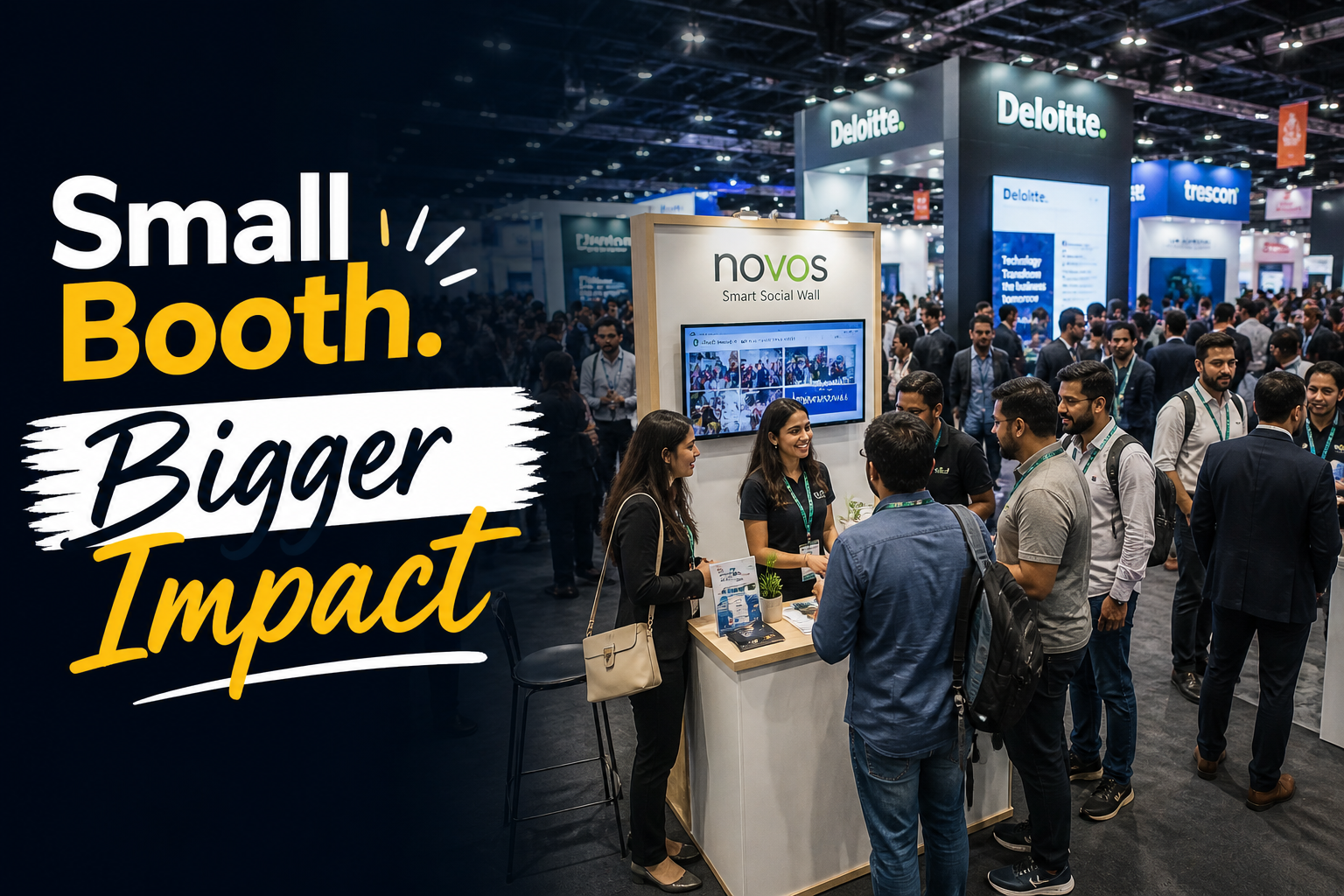
Industry expos often look like playgrounds for giant corporations. Massive booths, expensive giveaways, celebrity speakers. Moreover, endless branding makes smaller businesses feel invisible before the event even starts. But that assumption is costly. In reality, trade expos can be one of the fastest low-timeframe growth channels for emerging brands when used with a sharper plan instead of a bigger wallet.
Across sectors, business exhibitions continue to prove their influence. According to the Center for Exhibition Industry Research, 81 percent of trade show attendees have buying authority, which means the people walking the floor are not casual browsers but decision-makers.
For a small brand, it creates a rare chance to meet hundreds of qualified prospects in one place. That direct access matters even more today because digital ads are crowded and cold emails are ignored. Face-to-face exposure creates trust much faster. Even brands from industrial niches, such as metal office building suppliers, fabrication vendors, or technical service firms, are now using expos to create instant B2B conversations that would otherwise take months online.
Still, simply booking a stall is not enough. Smaller brands win at expos when they act with precision. They need to focus on targeted visibility, smarter lead capture, and relationship building that larger competitors often overlook. Here is how small businesses can turn industry expos into measurable business growth instead of just another branding expense.
Why Are Industry Expos No Longer Just for Big Names?
Many small business owners assume expos are built only for companies with large budgets. That is no longer true. Modern expos are becoming networking ecosystems where niche expertise, innovative demos, and personal communication often attract more attention than oversized banners.
Visitors attending expos are also changing their behavior. They are now actively looking for fresh suppliers, agile partners, and specialized service providers rather than only established brands. A survey by Exhibit Surveys found that 74 percent of attendees leave trade shows with a more positive perception of exhibitors they interacted with, proving engagement matters more than scale.
That means smaller brands can compete if they offer something specific and memorable. People on expo floors are overloaded with generic messaging. A smaller company that speaks
directly to one pain point can stand out faster than a bigger company trying to speak to everyone.
Focus on One Audience, Not the Whole Hall
One of the biggest mistakes smaller brands make is trying to attract every visitor. That approach wastes energy, brochures, and staff attention. Instead, define one high-value visitor category before the event starts. It could be distributors, procurement heads, startup founders, or event planners, depending on your business.
Once that audience is clear, every part of the booth should talk to them. Your stand message, display products, demo, and pitch should all answer one question: why should this exact visitor stop here? This creates clarity, and clarity sells faster than broad branding.
Small brands that narrow their audience usually collect better leads, not just more leads. Ten decision-makers who fit your sales profile are far more valuable than one hundred random visitors who took a flyer and moved on.
Use Smart Booth Psychology Instead of Expensive Booth Design
A luxury booth can impress people, but a smart booth can convert them. Smaller brands do not need giant LED walls or expensive structures. They need visual simplicity, open walking space, one strong headline, and one live engagement point that invites conversation.
A practical example is using a live product demo, a mini challenge, or a consultation desk. These tools create stopping power. According to EventTrack research, 91 percent of consumers say they are more likely to buy from a brand after participating in an event experience. That tells us interaction drives memory.
Big exhibitors often focus on visual dominance. Small exhibitors can focus on human connection. When visitors feel comfortable asking questions and receiving personal attention, they remember the booth longer and trust the brand faster.
Turn Every Conversation Into a Trackable Lead
Many smaller exhibitors lose value because they treat expos as awareness campaigns only. Awareness feels good, but it does not pay bills. Every handshake should move into a recorded lead system with names, roles, business needs, and follow-up priority.
A simple QR lead form, quick digital survey, or tablet registration works better than collecting business cards in a bowl. It helps your team note who showed buying interest and what service they asked about. This makes post-event sales calls warmer and more relevant.
CEIR reports that 52 percent of attendees request a sales representative visit after an expo when they find relevant solutions. That means the event floor is just the first step. Revenue comes from how well you continue the conversation after the event.
Build Partnerships, Not Just Customers
Small brands often think only in terms of direct buyers, but expos offer another hidden goldmine: partnerships. Suppliers, media houses, resellers, logistics firms, event organizers, and even complementary brands are all under one roof.
These relationships can open doors to referrals, co-marketing, reseller agreements, and long-term visibility. Sometimes, one strategic collaboration from an expo delivers more business than dozens of direct leads. Large brands may not chase these micro-connections because their teams are focused elsewhere. Smaller brands can.
Use the event schedule to identify networking sessions, panel discussions, and side meetups. Some of the best conversations happen outside the booth, in coffee zones and breakout areas where formal selling pressure disappears.
Measure ROI With Numbers, Not Just Footfall
Success should never be measured by how crowded your booth looked. Smaller brands need clear metrics. Count qualified leads collected, follow-up meetings booked, partnership discussions started, social mentions gained, and conversion rate within 30 days.
Here is a simple benchmark table small exhibitors can use after every expo:
| Metric | Good Small Brand Target | Why It Matters |
| Qualified leads | 50 to 100 | Shows actual buyer interest |
| Follow-up meetings | 15 to 25 | Indicates strong sales intent |
| Partnership contacts | 5 to 10 | Creates long-term growth channels |
| 30-day conversions | 5% to 12% | Measures real event ROI |
These numbers give a much clearer picture than simply saying the event was busy. Small brands grow when they treat expos like performance campaigns, not social appearances.
Final Thoughts:
Industry expos are not automatically biased toward bigger brands. They only reward businesses that know how to create relevance. Smaller companies actually have an advantage in flexibility, personal communication, and niche focus if they use those strengths intentionally.
With targeted messaging, smarter booth engagement, disciplined lead tracking, and strategic networking, one expo can produce months of sales opportunities. The brands that win are not always the loudest in the hall. Very often, they are the ones who understand exactly who they came to meet and what they want those people to remember.