
Rodents chew. It is what they do to keep their teeth in check. When a rat meets a buried cable or a soft irrigation pipe, the plastic loses. This is a real cost for anyone laying cables underground, running drip lines across a field, or fitting conduit in a wall. An anti rodent masterbatch is one practical way to make that plastic less appealing to gnawing without changing how you already run your line.
This guide keeps things plain. It covers where the damage happens, how the deterrent works, and where a good HIPS colour compound fits in the same workshop.
Where rodent and termite damage really happens
Most complaints come from a few common places:
• Power and data cables, especially buried runs and cable trays.
• Drip irrigation tubing and lay-flat pipe, which sit in soil for months.
• Electrical conduit inside walls and ceilings.
• Water and gas pipes in trenches.
Termites add a second problem. In many parts of India they move through soil and attack anything soft in their path. Cables and thin-wall pipe are easy targets. Damage often stays hidden until a line fails, so repair costs climb.
How an anti rodent masterbatch works
Here is the honest version. This kind of additive is a deterrent, not a poison. It does not kill anything, and it is not a pesticide.
The masterbatch carries a bitter, unpleasant taste and smell into the plastic. When a rodent or termite starts to gnaw, it meets that taste and tends to stop and move on. The idea is simple: make the plastic a bad meal so pests look elsewhere. It discourages chewing rather than promising that no animal will ever touch the part.
You blend the masterbatch into your resin at the machine, the same way you would add colour. It suits PVC, PE, and other common cable and pipe polymers. No new equipment is needed.
What it does not change
This matters for buyers who worry about spoiling a good product. A well-made deterrent masterbatch is designed to sit quietly in the plastic:
• It should not change the colour or finish of the part.
• It should not harm flexibility or strength at normal loadings.
• It works inside the wall of the product, so the surface looks the same.
Loading is usually small. Treat the numbers below as a starting point, then confirm with your supplier and your own trial.
| Item | Typical starting range |
| Deterrent masterbatch dose | around 1-3% by weight |
| Where it goes | blended with resin at the extruder |
| Effect on colour | none, when correctly formulated |
| Effect on mechanicals | minimal at normal dose |
Suryamb Speciality Polymer is one Indian maker that supplies deterrent compounds of this type, which shows how the additive is offered as a ready-to-run masterbatch rather than a separate spray or coating.
Where HIPS masterbatch fits
Not every job is about pests. A lot of plastics work is simply about clean, even colour. That is where a HIPS masterbatch comes in. High-impact polystyrene is used across everyday products:
• Refrigerator inner liners and door parts.
• Packaging and disposable items.
• Toys and moulded housings.
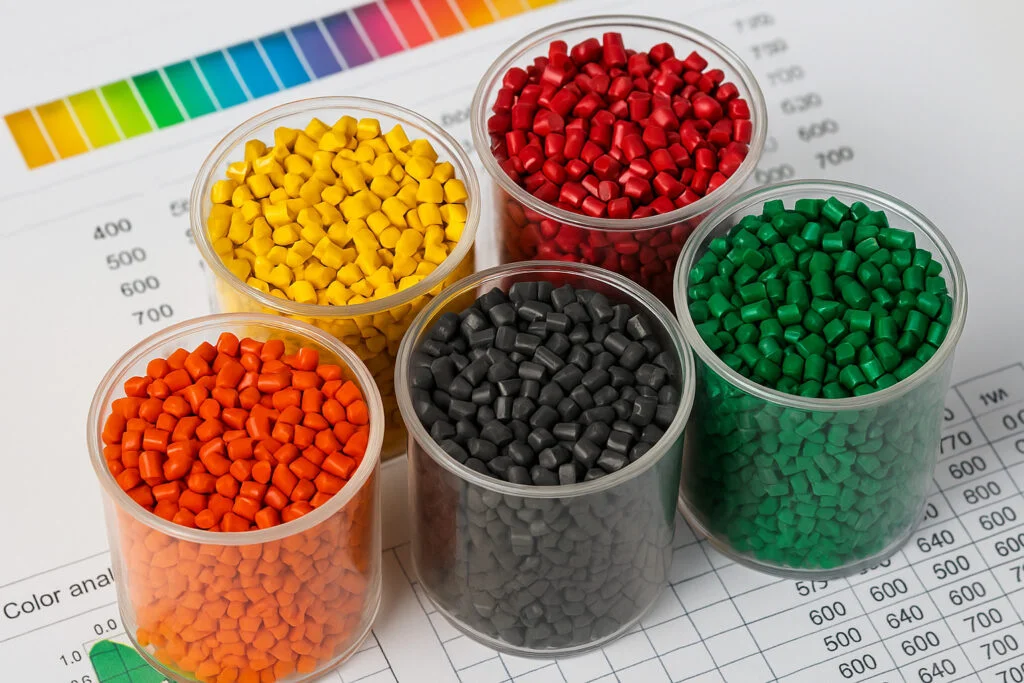
HIPS takes colour well, but it can be fussy. Shade drift, patchiness, and streaks show up fast on a large flat panel like a fridge liner. A masterbatch made for HIPS helps you hold a steady shade batch after batch, with good dispersion and stable processing. You pick the carrier and pigment load to match your melt temperature and part thickness, then keep it consistent.
Practical trial advice before you scale up
A short trial saves money later. A few tips:
1. Run a small batch first at the low end of the dose range.
2. Check colour, surface, and any smell on the finished part.
3. Test the mechanicals you care about, such as bend or drop.
4. For pest deterrents, remember the goal is to reduce damage, not to make a guarantee.
5. Keep records of dose and settings so you can repeat a good result.
Conclusion
Protecting buried and exposed plastics does not need to be complicated. An anti rodent masterbatch gives cables, drip lines, conduit, and pipe a built-in deterrent that discourages chewing, without changing how the part looks or how you run your machine. And when the job is about clean colour instead of pests, a HIPS masterbatch keeps your shade steady across every batch. Start with a small trial, check the results you care about, and scale up once the numbers hold.
FAQs
Is an anti rodent masterbatch a pesticide? No. It is a deterrent additive. It gives the plastic a bitter taste and smell that discourages gnawing. It does not poison or kill pests.
Will it stop all rodent and termite damage? It reduces the chance of damage by making the plastic unpleasant to chew. No additive can promise that no animal will ever bite a cable, so treat it as strong deterrence, not a guarantee.
Does it change the colour of my cable or pipe? A properly formulated masterbatch works inside the plastic and should not change colour or surface finish.
How much do I add? A common starting range is about 1-3% by weight, blended at the extruder. Confirm the exact dose with your supplier and a trial.
Which plastics can use it? It is used with common cable and pipe polymers such as PVC and PE. Ask your supplier to match the grade to your resin.
Why use a HIPS masterbatch instead of raw pigment? It gives better dispersion and a steadier shade across batches, which matters on large parts like fridge liners where streaks show easily.