
Introduction
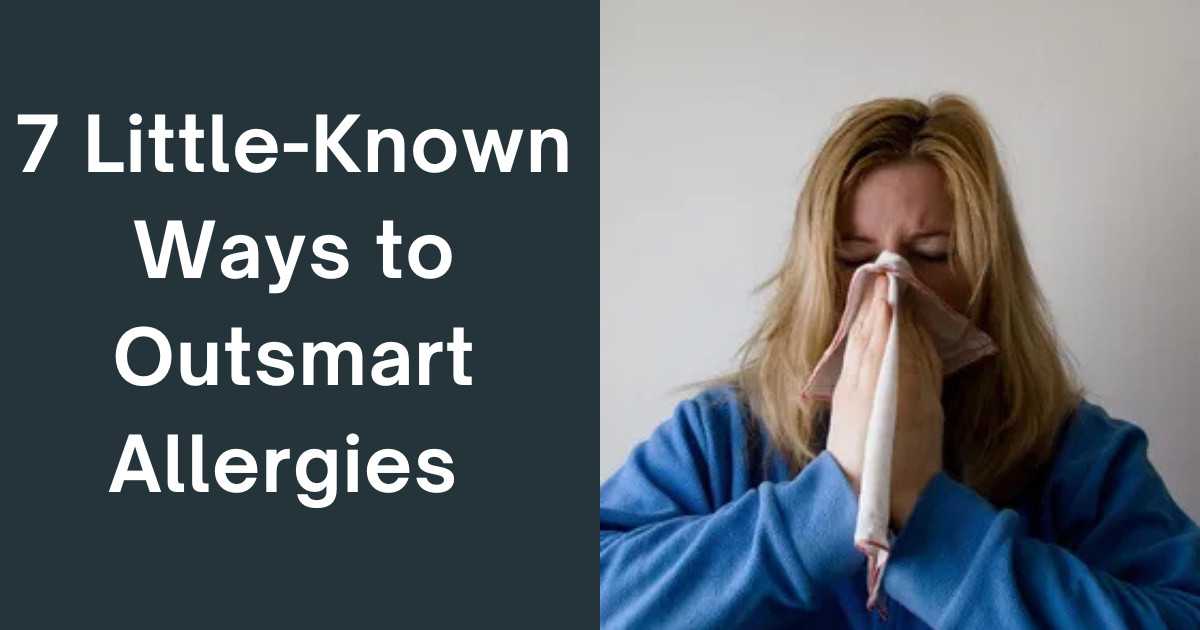
For millions of people, allergies are not seasonal, but an alarming problem that normally affects sleep, attention and life in general. Although antihistamines and decongestants are usually used to combat pollen, many people find that they only result in partial relief. A report by Pristine Market Insights shows that, as the global allergy care market continues to grow steadily, there’s no doubt that more individuals are reaching for relief beyond traditional means.
The good news? Science and lifestyle studies uncover lesser-known but reliable strategies that can facilitate daily life. Here are seven surprisingly effective ways to cope with allergies year-round.
1) Optimise Indoor Air Beyond Filters
Considered natural, HEPA filtration was insufficient in setting up the indoor air quality; ultraviolet air purifiers, electrostatic precipitators were developed as an improved way to neutralise allergens by such means as mould spores, bacteria, and some viruses. Visible to the outside world, indoor air can sometimes be more polluted; this makes the home a hangout for dust mites, pet dander, and mould that renders allergy symptoms worse. Filter maintenance should always be practised; otherwise, a dirty filter can recycle irritants, thereby opposing the intent of filtration.
For the best result, technologies must be combined: HEPA air purifiers, dehumidifiers to suppress mould, frequent vacuuming, turning in bedding for washing, and keeping an eye on humidity through ventilation. Daily allergen exposure can be reduced due to these small changes.
2) Go Seasonal with Your Diet
Seasonal eating has the potential to complement allergy control over medication alone, owing to dietary connections with immune modulation. A diet rich in anti-inflammatory, leafy greens, berries, and omega-3 sources from salmon, flaxseed and walnuts, is capable of reducing inflammation of airways and works as an immune modulator. Apples, onions, and capers, which are quercetin-rich foods, stabilise mast cells to prevent the release of histamines and allergy triggers.
Though the advantages of local honey are debated, some studies say that small exposure to pollen can decrease seasonal sensitivities in some people. Probiotic yoghurt and kefir can improve intestinal health and further reduce allergic reactions, so conscious eating is a strong addition to medical intervention.
3) Nasal and Sinus Hygiene
Nasal irrigation using neti pots or saline sprays remains a powerful method for removing allergic dust or inflammatory mediators from nasal discharge. Scientists have opined that if done regularly, nasal irrigation increases airflow, relieves congestion, and improves quality of life for those suffering from both allergy and sinus issues. Using consistently is important. In order to get the best outcome, it is recommended to use sterile or distilled water, adhere to the instructions for nasal products and also ensure that your nasal devices are cleaned regularly.
The steam inhalation aids in the hydration and relaxation of the nasal passages, and also the avoidance of smoke or strong odours, which can cause irritation of the airways can help maintain the airways clear. Therefore, nose and sinus hygiene can open the door to reduced dependence on medication and thus reduce allergies.
4) Tackle Allergies at the Source Outdoors
Having fun outdoors is possible even for pollen allergy victims with smart, science-supported strategies. Putting on wraparound sunglasses can provide comfort to sensitive eyes against drifting allergens. An effective preventive measure is to apply a little petroleum jelly or cellulose powder with no scent around the nostrils, as a physical barrier that captures incoming pollen, relieving nasal symptoms.
One can create a gardening community by choosing plants with low pollen count, such as female shrubs instead of male trees. As soon as a person returns from outside, they should remove pollen from their hair and skin before it is brought inside the house. Allergies become more manageable by following these preventive measures supported by clinical studies.
5) Lifestyle Adjustments
Activities that reduce stress, including meditation and yoga, can indeed decrease inflammation, thereby reducing allergy symptoms. Allergic victims should get enough sleep for a good immune system; this is an important point to consider. Although exercising increases lung function, high pollen days may be the time to treat your workout with a little bit of caution. For allergen exposure, a few simple daily habits, such as changing clothes and showering after being outside, can build a wall against aggravation. Being less visible may lead to a reduction of symptoms after some time.
Additionally, less common and alternative medicines used could be the extract of butterbur: it operates as an antihistamine; however, unlike most antihistamines, it does not cause sleepiness. Besides, the use of acupuncture and several breathing techniques might ease the symptoms through increasing the lung capacity and the flow of the nose.
6) Medical Interventions You Might Overlook
Immunotherapy-vaccine shots or sublingual tablets-can work long-term by similarly desensitising your body against a particular allergen. In the case of frequent symptoms, nasal corticosteroids and combination therapies will usually suffice in stopping inflammation. You might want to check out the attraction of telehealth allergy consultations while you identify your precise triggers and design a special treatment plan from the comfort of home. These condition-based medical pathways, with lifestyle modifications, create a holistic approach to allergic management. Your best bet is always to work with a doctor so that you can get the best treatment for your particular condition.
7) Mind-Gut-Immune Connection
Making your bedroom a place safe from allergens is very important if you want to sleep peacefully. The first step should be the use of dust-resistant bedding, and washing your sheets in hot water should be a weekly ritual. It is recommended to get new pillows if the old ones are over 1- 2 years old, so as to eliminate the dust mites. If your home is located in a humid area, a dehumidifier will definitely help you restrain mould from developing.
You might want to consider not using sheep wool or feather beddings since they are allergen-trapping materials. One of the ways to purify the air in the bedroom is that the bed should not be placed under the air vents or the window because dust and pollen can get there very quickly. Doing these will really help ease your allergy symptoms at night.
Conclusion
It can be quite a daunting task to handle allergies, yet a comprehensive method through the use of standard treatments along with some lifestyle changes can really turn the tide. By concentrating on the three main areas – prevention, environmental care, and immune resilience – you can regain your control over the constant sneezing, which is quite annoying.
Adjusting your diet, maintaining a thorough cleaning routine, using alternative therapies, and seeking professional medical advice – your symptoms may be greatly alleviated with all of these efforts combined. The main point is to test out these methods and identify the one that suits you best, thereby guaranteeing that allergies will not be the centre of your life anymore.